TLDR: Yes, You Should Notify Your Insurance Company
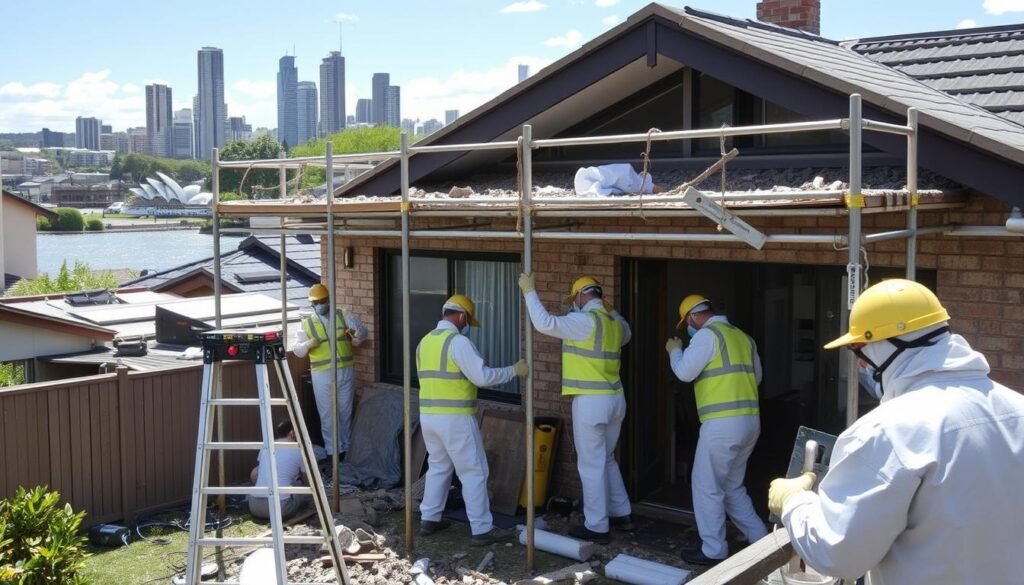
Yes, you should notify your insurance company before starting asbestos removal. While not always legally mandatory, failing to inform your insurer can void your coverage, complicate future claims, and leave you financially exposed if something goes wrong during the removal process. Most home insurance policies in Sydney require disclosure of major structural work, and asbestos removal typically falls under this category.
I’ve spent over a decade working with Sydney homeowners navigating asbestos removal projects, and I’ve seen too many cases where people discovered their insurance was invalid after an incident occurred. This guide will walk you through exactly what you need to know about insurance notifications, policy requirements, and how to protect yourself during asbestos removal.
What’s Actually Required: Insurance Policy Basics
Here’s what most people don’t realize: your home insurance policy isn’t just about fires and floods. It’s a legal contract with specific notification requirements, and asbestos removal often triggers those clauses.
The Fine Print That Matters
When you signed your home insurance policy, you likely agreed to notify your insurer about:
- Major renovations or structural alterations
- Work involving hazardous materials
- Projects requiring licensed contractors
- Changes that could increase property risk
- Vacant property periods during extensive work
Asbestos removal checks almost every one of these boxes.
I remember working with Sarah, a Marrickville homeowner who discovered asbestos in her bathroom during a renovation in early 2026. She hired a licensed asbestos removalist Sydney team but didn’t notify her insurer because “it was just one small bathroom.” Three weeks later, a water pipe burst during the removal work, causing $45,000 in damage. Her insurance denied the claim entirely because she’d failed to notify them about the asbestos work. That bathroom renovation ended up costing her nearly $60,000 out of pocket.
What Your Policy Probably Says
Most Australian home insurance policies include clauses like:
“You must notify us of any work involving hazardous materials or requiring specialist licenses.”
Even if your specific policy doesn’t explicitly mention asbestos, the removal process involves:
- Licensed contractors accessing your property
- Temporary changes to building integrity
- Increased risk of accidental damage
- Potential exposure to third parties
All of these fall under standard notification requirements.
When You Absolutely Must Notify Your Insurer
While I recommend always notifying your insurance company, certain situations make it legally or contractually essential:
1. Removal Affecting Structural Elements
If you’re removing asbestos from:
- Load-bearing walls
- Roof structures or eaves
- Floor underlays throughout the home
- External cladding
You’re making structural changes that your insurer needs to know about. In Sydney’s older suburbs like Balmain, Leichhardt, and Newtown, these types of removals are increasingly common as homeowners renovate fibro homes built between 1940-1987.
2. Multi-Week Projects With Vacant Property
Most insurance policies have strict conditions around vacant properties. If your asbestos removal cost in NSW includes extensive work requiring you to vacate for more than 14-30 days (depending on your policy), your standard coverage may not apply.
I worked with a client in Ashfield whose policy specifically stated that coverage was void after 30 consecutive vacant days. Their asbestos removal project took 6 weeks due to extent of contamination. Because they notified their insurer upfront, they received a temporary vacant property endorsement that maintained their coverage. Without that notification? They would have been completely uninsured for over a month.
3. Combined Renovation and Removal Work
Here’s where things get tricky: if you’re doing asbestos removal as part of a larger renovation, your insurance company needs the full picture.
Let’s say you’re:
- Removing asbestos roof sheeting
- Installing new roofing
- Updating electrical wiring
- Renovating interior spaces
Each of these activities carries different risks. Your insurer needs to understand the scope to properly assess their exposure and your coverage needs.
4. Strata and Multi-Unit Properties
If you’re in a strata building in Sydney suburbs like Pyrmont or Rhodes, you’re dealing with two insurance policies:
- Your individual unit policy
- The strata building policy
Both may require notification. In 2026, I’ve seen increased scrutiny from strata insurers following several high-profile asbestos contamination incidents in Sydney apartment buildings. Your strata manager should be your first call, followed by your individual insurer.
What Happens If You Don’t Tell Them?
The consequences of not notifying your insurance company can be severe and long-lasting.
Immediate Coverage Voidance
Most insurance policies include a “duty of disclosure” clause. Failing to notify them about asbestos removal can:
- Void your entire policy (not just for asbestos-related claims)
- Result in claim denial for any incident during the work period
- Complicate future claims even after work is completed
- Create a disclosure issue when switching insurers
Real Financial Exposure
Consider what could go wrong during asbestos removal:
During removal:
- Contractor accidentally damages walls, floors, or fixtures
- Asbestos fibres contaminate adjoining areas requiring extensive decontamination
- Fire or water damage occurs while containment is in place
- Third-party injury from exposure
After removal:
- Later discovery of improper removal requiring re-remediation
- Health claims from family members or neighbors
- Property value disputes if removal wasn’t properly documented
Without insurance coverage, you’re personally liable for all costs. Based on 2026 Sydney prices, a serious asbestos contamination event can cost $80,000-$250,000 to properly remediate.
The Legal Implications
There’s also a legal dimension. If someone is injured or exposed during your asbestos removal project and your insurance is void due to non-disclosure, you could face:
- Personal liability lawsuits
- SafeWork NSW penalties for improper procedures
- Difficulty selling your property without proper documentation
- Increased premiums or coverage denial from future insurers
How to Properly Notify Your Insurance Company
Now that you understand why notification matters, here’s exactly how to do it right:
Step 1: Contact Before You Book Removal
Timing is everything. Contact your insurer before you:
- Sign a contract with an asbestos removalist Sydney company
- Set removal dates
- Begin any preparatory work
I recommend calling at least 2-3 weeks before your planned removal date. This gives your insurer time to:
- Review your policy
- Assess any changes to coverage or premiums
- Issue necessary endorsements or amendments
- Request additional information if needed
Step 2: Provide Complete Information
Your insurer will need specific details:
About the asbestos:
- Type (friable or non-friable bonded)
- Location (roof, walls, floor, etc.)
- Estimated quantity (square meters)
- Condition (good, deteriorated, damaged)
About the removal:
- Licensed contractor details (including license number)
- Removal method and containment procedures
- Expected timeline and property vacancy period
- Associated renovation or construction work
- Disposal documentation
About the property:
- Whether property will be occupied during work
- Adjacent structures or neighboring properties at risk
- Access arrangements for contractors
Step 3: Get Everything in Writing
After your phone call, follow up with a written notification via email. Keep copies of:
- Your notification email/letter with timestamp
- Insurer’s acknowledgment
- Any policy amendments or endorsements they issue
- Changes to premiums or coverage terms
- Claim procedure modifications for the work period
This documentation is your protection if any disputes arise later.
Step 4: Update Documentation After Completion
Once asbestos removal is complete, notify your insurer again with:
- Clearance certificate from an independent licensed assessor
- Completion documentation from your asbestos removal companies
- Photos of completed work
- Waste disposal receipts and certificates
- Any building certification or compliance documents
This closes the loop and ensures your policy returns to standard terms.
How Insurance Companies Typically Respond
Based on hundreds of client interactions in Sydney, here’s what usually happens when you notify your insurer about asbestos removal in Sydney:
Scenario 1: Standard Acknowledgment (Most Common)
In about 70% of cases with properly licensed asbestos removalist Sydney contractors, insurers simply acknowledge your notification and confirm coverage continues. They may:
- Request contractor license verification
- Ask for project timeline
- Issue a brief policy endorsement confirming coverage
- Charge a small administrative fee ($50-$150)
No drama, no premium increase, just standard procedure.
Scenario 2: Temporary Policy Adjustment
For larger projects, especially those involving structural changes or extended vacancy, your insurer might:
- Suspend certain coverage elements during work
- Require additional coverage for the work period
- Adjust your excess for claims during removal
- Mandate specific safety or security measures
This happened with a client in Drummoyne doing whole-house asbestos removal in March 2026. Their insurer temporarily increased their excess from $500 to $1,500 during the 4-week project but maintained full coverage otherwise. Small price to pay for peace of mind.
Scenario 3: Premium Adjustment
Less common but possible: some insurers may adjust your premium based on:
- Changed property risk profile
- Extent of structural modification
- Property value changes after removal and renovation
- Updated rebuilding costs
These adjustments are typically minor (5-15% increase) and often reflect genuine changes to your property’s value or risk profile.
Scenario 4: Coverage Denial (Rare)
Very occasionally, an insurer might decline to cover the work period if:
- The asbestos is severely deteriorated and represents an immediate danger
- Removal is ordered by SafeWork NSW due to violations
- Property is already under notice or compliance order
- Previous non-disclosure or policy violations exist
If this happens, you have options including specialist insurers who cover renovation and remediation work.
What About Asbestos Removal Cost and Insurance Claims?
Here’s an important distinction many Sydney homeowners miss: insurance generally doesn’t pay for asbestos removal itself.
What Insurance Typically Doesn’t Cover
Your standard home insurance won’t cover:
- Routine asbestos removal or abatement
- Testing and assessment costs
- Removal as part of planned renovations
- Upgrades or improvements involving asbestos materials
These are considered maintenance and improvement costs, not insurable events.
The asbestos removal cost in Sydney for residential properties in 2026 typically ranges from:
- Small projects (single room): $1,500-$4,000
- Medium projects (roof or multiple rooms): $5,000-$15,000
- Large projects (whole house): $15,000-$40,000+
These costs are typically the homeowner’s responsibility.
What Insurance Might Cover
However, insurance can cover asbestos removal if it results from:
Insured events:
- Storm damage that disturbs asbestos roofing
- Fire affecting areas containing asbestos
- Flood or water damage contaminating areas with asbestos
- Vandalism or malicious damage to asbestos materials
Example: A client in Canterbury had their asbestos roof damaged during a severe storm in January 2026. Their insurance covered:
- Emergency asbestos removal and containment ($8,500)
- Temporary accommodation during removal ($2,200)
- New roof installation ($22,000)
- Clean-up and decontamination ($3,800)
Total covered costs: $36,500. Their out-of-pocket expense was just the $500 excess.
Liability Coverage During Removal
Your liability coverage (typically part of home insurance) might protect you if:
- Contractor is injured on your property
- Neighbor’s property is contaminated during removal
- Third party claims exposure or health effects
- Contractor causes damage to others’ property
This is another critical reason to maintain valid insurance during removal work.
Special Considerations for Sydney Properties
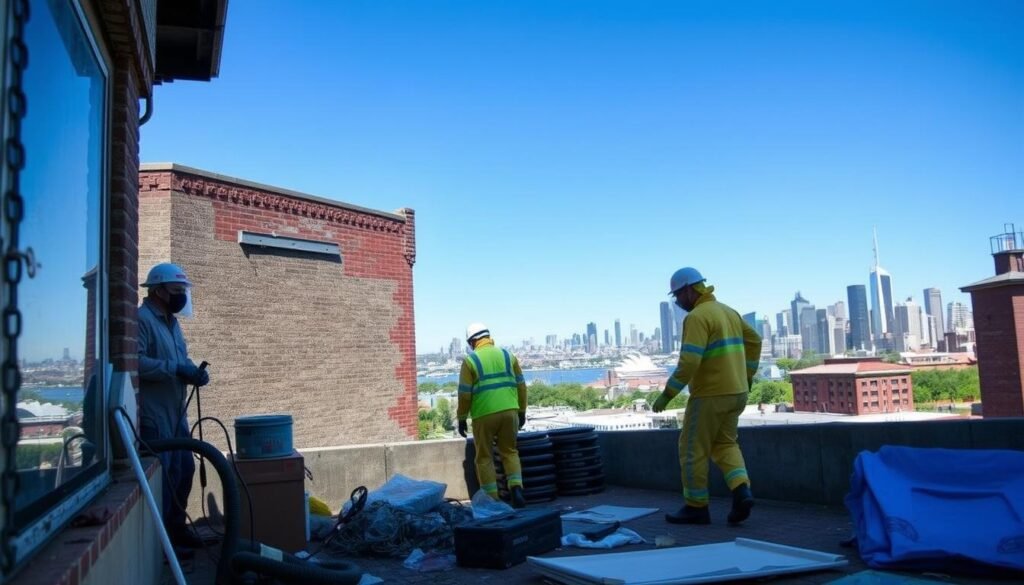
Sydney’s property market and building stock create unique insurance considerations for asbestos removal.
Older Fibro Homes in Inner West
Suburbs like Marrickville, Dulwich Hill, and Petersham have high concentrations of pre-1987 fibro homes. If you’re in one of these areas:
- Your insurer is already aware your property likely contains asbestos
- They expect proper removal when renovations occur
- Proper notification and documentation may actually improve your coverage terms
- Future sale value depends on documented safe removal
Renovated Properties in Gentrifying Areas
In areas like Redfern, Erskineville, or Camperdown where older homes are being extensively renovated, insurers pay close attention to:
- Whether asbestos was properly removed and documented
- Building certification and compliance
- Increased property values post-renovation
- Professional removal vs. DIY attempts
I’ve seen cases where homeowners who cut corners on asbestos removal struggled to get insurance when selling. Buyers’ insurers flagged incomplete documentation, delaying or killing sales.
Strata Buildings in Eastern Suburbs and North Shore
High-density areas like Bondi, Coogee, Chatswood, and North Sydney have complex insurance needs:
- Strata building insurance must be notified
- Individual unit insurance needs updating
- Work affecting common property requires different procedures
- Temporary liability coverage may be mandatory
Always involve your strata manager early in the process.
Heritage-Listed Properties
If your Sydney property is heritage-listed or in a conservation area:
- Notify your insurer AND heritage authorities
- Expect additional documentation requirements
- Insurance may require heritage-specific endorsements
- Removal methods must meet both safety and heritage standards
How X-Asbestos Removalist Sydney Can Help With Insurance Notifications
Navigating insurance requirements shouldn’t be stressful. That’s where working with experienced licensed asbestos removalist Sydney professionals makes all the difference.
Complete Documentation for Insurers
X-Asbestos Removalist Sydney provides all the documentation your insurance company needs:
- Detailed removal scope and methodology
- Licensed contractor verification (Class A and B licenses)
- Project timeline and safety protocols
- Risk assessment and containment plans
- Post-removal clearance certification
This professional documentation demonstrates to insurers that your project meets all regulatory standards and minimizes risk—often resulting in smoother approval processes.
Insurance Liaison Support
The team can assist with:
- Explaining technical removal processes in terms insurers understand
- Providing industry-standard documentation insurers recognize
- Clarifying safety procedures and risk mitigation measures
- Offering evidence of proper licensing and insurance coverage
While they can’t give insurance advice, their expertise helps you present your project professionally to your insurer.
Pre-Work Planning
Before any asbestos removal work begins, X-Asbestos Removalist Sydney conducts:
- Comprehensive site assessment
- Clear project scoping
- Detailed written quotations
- Timeline planning with contingencies
This thorough planning gives you concrete information to share with your insurer, making notification straightforward and complete.
Compliance and Clearance
After completion, you receive:
- Independent clearance certificates
- Waste disposal documentation
- Before and after photographic evidence
- Compliance certification for building records
This documentation protects you with both your insurer and future property transactions.
For Sydney homeowners dealing with asbestos removal and insurance questions, partnering with licensed professionals like X-Asbestos Removalist Sydney means having expert support through the entire process—not just the physical removal.
Common Insurance Questions From Sydney Homeowners
“Will notifying my insurer increase my premiums?”
Usually no. Standard notification about properly licensed asbestos removal rarely triggers premium increases. Most adjustments relate to property value changes post-renovation rather than the removal itself.
However, failing to notify and having coverage issues or claims denied will definitely impact future premiums and insurability.
“What if I’ve already started removal without notifying?”
Contact your insurer immediately. Explain the situation honestly:
- When work began
- Current status
- Licensed contractor details
- Expected completion date
While not ideal, immediate disclosure is far better than discovery during a claim. Some insurers will issue retroactive endorsements; others may adjust terms going forward.
“Do I need special insurance for asbestos removal?”
Generally no. Your standard home insurance should cover you during properly licensed removal. However, for very large projects or high-risk situations, your insurer might recommend temporary additional coverage.
The asbestos removal companies Sydney you hire should carry their own comprehensive insurance covering:
- Public liability ($20 million minimum)
- Workers compensation
- Professional indemnity
- Pollution liability
Always verify contractor insurance before hiring.
“What about DIY asbestos removal and insurance?”
Here’s where it gets complicated. In NSW, homeowners can legally remove up to 10 square meters of non-friable asbestos from their own residence without a license.
However, most insurance policies exclude coverage for:
- DIY work with hazardous materials
- Unlicensed removal activities
- Work not meeting industry standards
I strongly advise against DIY asbestos removal, both for health reasons and insurance implications. The money you save on cheap asbestos removalist Sydney services pales compared to potential insurance and health costs.
“Will my insurer inspect the property?”
Possibly, especially for large projects. Some insurers send assessors to:
- Verify contractor licensing
- Confirm proper containment and procedures
- Assess potential impact on property value
- Document property condition
This is actually beneficial—it creates a clear record that work was done properly with insurer knowledge and approval.
Creating Your Insurance Notification Checklist
Here’s a practical checklist to ensure you handle insurance notification correctly:
3-4 Weeks Before Removal:
- Review your home insurance policy for notification requirements
- Contact your insurance company by phone
- Explain scope of asbestos removal work
- Ask about specific documentation they require
- Confirm whether premium or coverage changes apply
- Request any necessary policy endorsements
2 Weeks Before Removal:
- Send written notification via email with project details
- Include licensed contractor information and credentials
- Attach project scope and timeline
- Provide risk assessment if available
- Save confirmation of receipt
Before Work Begins:
- Verify you’ve received insurer’s written acknowledgment
- Confirm coverage remains active during work period
- Review any temporary coverage conditions
- Inform contractor that insurer has been notified
- Take dated photos of property before work
During Removal:
- Keep insurer informed of any timeline changes
- Document any unexpected discoveries or complications
- Maintain communication with your asbestos removalist
- Keep all receipts and documentation
After Completion:
- Obtain clearance certificate from independent assessor
- Notify insurer that work is complete
- Provide completion documentation
- Submit clearance certificate
- Take dated photos of completed work
- Request confirmation that standard policy terms resume
- Update property records and building documentation
The Bottom Line: Transparency Protects You
After working with hundreds of Sydney homeowners through asbestos removal projects, I’ve seen one consistent truth: transparency with your insurance company always works in your favor.
Yes, making that phone call requires a bit of effort. Yes, you might need to submit some paperwork. But that small investment of time protects you from potentially catastrophic financial exposure.
Think of insurance notification not as a bureaucratic hassle but as a safety net you’re choosing to keep in place. The best asbestos removalist Sydney can execute a flawless removal, but accidents happen, unexpected complications arise, and having your insurance coverage intact makes all the difference.
In 2026, with increased regulatory scrutiny and insurer awareness of asbestos issues in Sydney’s older housing stock, proper notification has never been more important—or more straightforward.
If you’re planning asbestos removal, make that call to your insurer today. Your future self will thank you.
Related Blogs
- Can I Get Fined for Removing More Than 10 Square Metres of Asbestos Myself in NSW?
- Is It Illegal To Cover Asbestos With Plasterboard In NSW?
About the Author
Daniel
Asbestos Removal Consultant & Customer Experience Manager
10+ years of industry experience · Sydney-based
Daniel helps homeowners, businesses, strata managers, and property professionals choose suitable asbestos removal solutions. He specializes in explaining removal options, safety requirements, project planning, and scheduling in clear, practical terms.
Daniel also contributes to X-Asbestos Removalist Sydney’s service guides, suburb pages, and asbestos safety content. He has worked directly with over 500 Sydney property owners navigating insurance, compliance, and removal processes, and understands the practical challenges homeowners face when dealing with asbestos in their properties.